What to Do When You Have a Dental Emergency

What to Do When You Have a Dental Emergency
Dental emergencies can happen unexpectedly. Whether you are experiencing a severe toothache, a broken tooth, a lost filling, or swelling around a tooth, knowing what to do and where to seek treatment can make a significant difference.
At Fort York Dentist, we understand that dental pain and unexpected dental problems can disrupt your daily activities, interfere with eating and sleeping, and cause considerable anxiety. Our dental office in Downtown Toronto provides emergency dental assessments and treatment to help patients relieve discomfort, identify the cause of their symptoms, and protect their oral health. If you are searching for an emergency dentist in Toronto, our team is here to help you understand your treatment options.
What Is Considered a Dental Emergency?
A dental emergency is any oral health problem that requires prompt professional attention to relieve significant pain, control infection, stop bleeding, or prevent further damage to the teeth and surrounding tissues. Some dental emergencies develop suddenly, while others begin with mild symptoms that gradually become more severe.
Common dental emergencies include:
- Severe or persistent toothache
- Broken, cracked, or fractured teeth
- Dental abscesses and infections
- Swelling of the gums, face, or jaw
- Knocked-out or displaced permanent teeth
- Lost or broken dental crowns
- Lost fillings causing pain or sensitivity
- Dental injuries caused by accidents or sports
- Pain or swelling around wisdom teeth
- Broken dentures or dental appliances
Not every dental problem requires treatment on the same day. However, symptoms such as persistent pain, swelling, or dental trauma should not be ignored.
1. Severe Toothache: When Dental Pain Cannot Wait
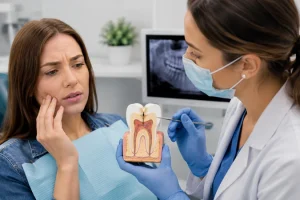
A toothache is one of the most common reasons patients seek emergency dental treatment. Dental pain can range from mild sensitivity to severe, throbbing discomfort that interferes with sleeping, eating, or concentrating.
Possible causes include:
- Deep dental decay
- Inflammation or infection of the dental pulp
- Cracked or fractured teeth
- Periodontal infections
- Defective or leaking dental restorations
- Food impaction between teeth
A toothache may temporarily improve, but this does not necessarily mean the underlying problem has resolved.
How Is a Severe Toothache Treated?
Your dentist will examine the affected tooth and may recommend dental radiographs to identify the source of the problem. Depending on the diagnosis, treatment may include a dental filling, root canal treatment, periodontal treatment, or tooth extraction.
At Fort York Dentist, our priority is to identify the cause of your discomfort and explain the available treatment options before proceeding.
2. Broken or Cracked Teeth
Teeth can fracture unexpectedly while chewing hard foods, following an accident, or because of existing large fillings or weakened tooth structure. Some fractures affect only a small portion of the enamel, while others extend deeper into the tooth.
Common symptoms include:
- Sharp pain when biting or releasing pressure
- Sensitivity to cold or hot foods
- A rough or sharp tooth edge
- Discomfort while chewing
- A visible crack or missing portion of a tooth
Can a Broken Tooth Be Saved?
Many fractured teeth can be restored, depending on the location and extent of the damage. Treatment may involve composite bonding, an onlay, a dental crown, or root canal treatment if the pulp is affected. However, some severely fractured teeth may not be restorable.
Early assessment can help determine whether the tooth can be preserved and reduce the risk of additional complications.
3. Dental Abscesses and Infections
A dental abscess is an infection that may develop around the root of a tooth or within the surrounding gum tissues.
Possible symptoms include:
- Persistent or throbbing dental pain
- Swelling of the gums or face
- Tenderness when biting
- An unpleasant taste or drainage from the gums
- Fever or general discomfort
Dental infections should never be ignored. Some infections can spread beyond the original tooth and require urgent medical attention.
How Are Dental Infections Treated?
Treatment depends on the source and severity of the infection. Options may include drainage, root canal treatment, periodontal treatment, or extraction of a tooth that cannot be saved. Antibiotics may be prescribed when clinically indicated, but antibiotics alone generally do not eliminate the underlying dental cause.
If you experience rapidly increasing facial swelling, difficulty breathing or swallowing, or swelling extending toward the eye or neck, seek immediate emergency medical care.
4. Knocked-Out Permanent Tooth: Time Matters
A permanent tooth that has been completely knocked out requires immediate attention. Known clinically as dental avulsion, this injury is one of the most time-sensitive dental emergencies, and quick action can improve the possibility of successfully reimplanting the tooth.
What Should You Do?
- Pick up the tooth by the crown, not the root.
- If dirty, gently rinse it with milk or saline without scrubbing.
- If possible, gently reposition the permanent tooth in its socket without forcing it.
- If you cannot reinsert it, keep it moist in milk or an appropriate tooth-preservation solution.
- Seek emergency dental treatment immediately, ideally within 30 minutes.
Never attempt to reimplant a knocked-out baby tooth. Dental trauma may also involve injuries to the surrounding bone, gums, or neighbouring teeth, so a professional examination is important even if the pain appears manageable.
5. Lost Fillings and Broken Dental Crowns
A filling or crown can become loose or dislodged because of recurrent decay, wear, fracture, or failure of the bonding or cement. When a restoration is lost, the underlying tooth may become sensitive to temperature changes or pressure, and in some cases more vulnerable to fracture.
What Should You Do?
- Avoid chewing on the affected side and keep the area clean.
- If a crown has come off, keep it in a safe container and bring it to your dental appointment.
- Do not use household glue to reattach a crown.
Your dentist will assess whether the existing restoration can be recemented or whether a replacement is required. At Fort York Dentist, we assess damaged restorations and recommend treatment based on the condition of the remaining tooth structure.
6. Wisdom Tooth Pain and Swelling
Wisdom teeth can sometimes cause significant discomfort, particularly when they are partially erupted or difficult to clean. Food and bacteria may accumulate beneath the surrounding gum tissue, leading to inflammation or infection known as pericoronitis.
Symptoms can include pain behind the last molar, swollen gums, an unpleasant taste, and difficulty opening the mouth. Treatment may involve cleaning the affected area, managing the inflammation, or evaluating whether wisdom tooth extraction is necessary. Patients with severe swelling, fever, or difficulty swallowing should seek urgent assessment.
What Happens During an Emergency Dental Appointment?
When you visit Fort York Dentist for an emergency dental assessment, the first step is to understand your symptoms and determine the cause of the problem. Depending on your condition, your appointment may include:
- Medical and dental history: Reviewing your symptoms, medications, allergies, and relevant health conditions.
- Clinical examination: Evaluating the affected tooth, gums, and surrounding tissues.
- Dental X-rays: Taking radiographs when necessary to identify decay, infection, fractures, or other problems.
- Diagnosis and treatment discussion: Explaining the findings, treatment options, expected outcomes, and associated fees.
- Emergency treatment: Providing appropriate care when possible, or arranging further treatment or referral if required.
The treatment provided depends on the diagnosis, clinical urgency, and available appointment time. Our goal is to help patients make informed decisions about their dental health.
Why Choose Fort York Dentist for Emergency Dental Care?
When a dental emergency occurs, finding a conveniently located dental office can make arranging an assessment easier. Fort York Dentist is located in Downtown Toronto, serving patients from Fort York, CityPlace, Liberty Village, King West, the Waterfront, and surrounding neighbourhoods.
Our approach to emergency dental care focuses on:
- Careful diagnosis: Understanding the source of pain or damage before recommending treatment.
- Tooth preservation: Considering restorative options whenever clinically appropriate.
- Clear communication: Explaining the diagnosis and available treatment options so patients understand their choices.
- Individualized treatment: Taking each patient’s dental needs, medical history, and circumstances into account.
- Convenient downtown location: Providing dental services for people who live or work in Toronto’s downtown communities.
Can Dental Emergencies Be Prevented?
Although accidents cannot always be avoided, many dental emergencies can be reduced through preventive care. Regular dental examinations may help identify weakened restorations, decay, cracked teeth, and periodontal problems before they become more serious.
Helpful preventive steps include:
- Wearing an individually fabricated night guard, when indicated, if you grind or clench your teeth
- Wearing a properly fitted sports mouthguard during contact sports
- Maintaining good oral hygiene and attending regular professional cleanings
- Treating existing dental problems promptly before they worsen
Looking for an Emergency Dentist in Downtown Toronto?
Dental pain and injuries can be stressful, especially when they happen unexpectedly. Whether you have a severe toothache, a broken tooth, swelling, or a damaged crown, obtaining a timely diagnosis is important.
If you are experiencing a dental emergency in Fort York, CityPlace, Liberty Village, King West, or Downtown Toronto, call Fort York Dentist at (647) 346-8888 or visit us at 219 Fort York Blvd Unit 107, Toronto, ON M5V 1B1 to discuss your symptoms and request the earliest available appointment.
Emergency appointment availability varies. Severe facial swelling with breathing or swallowing difficulties, uncontrolled bleeding, or serious facial injuries require immediate hospital emergency care or a call to 911.
Related posts


Recent Posts

What to Do When You Have a Dental Emergency


Client Testimonials
The Fort York Dentist team is amazing. I’ve been a patient here for the last few years and they’ve consistently accommodated my schedule and my needs. I’ve also had a positive experience with Invisalign procedure at this clinic.

Tetyana Krysa
I’ve moved away from Toronto and I miss Dr. Hosseini! Competent, kind, reassuring and even a little bit fun! She took extra time to fully explain what she was doing to help me. A terrific dentist & good hygienists staff.
Janine Gliener
I have been coming to Fort York Dentist for several years and have had a consistently pleasant experience. The team is friendly and welcoming, and I appreciate the care they take in cleaning my teeth. Their attention to detail and gentle approach always leaves me with a reason to smile! 😀