The Importance of Using a Night Guard: Protecting Your Teeth and Jaw Health
The Importance of Using a Night Guard: Protecting Your Teeth and Jaw Health
Many patients are surprised to learn that significant damage to their teeth can occur while they sleep. Conditions such as grinding and clenching—known as parafunctional habits—can silently wear down teeth, strain the jaw, and lead to long-term complications.
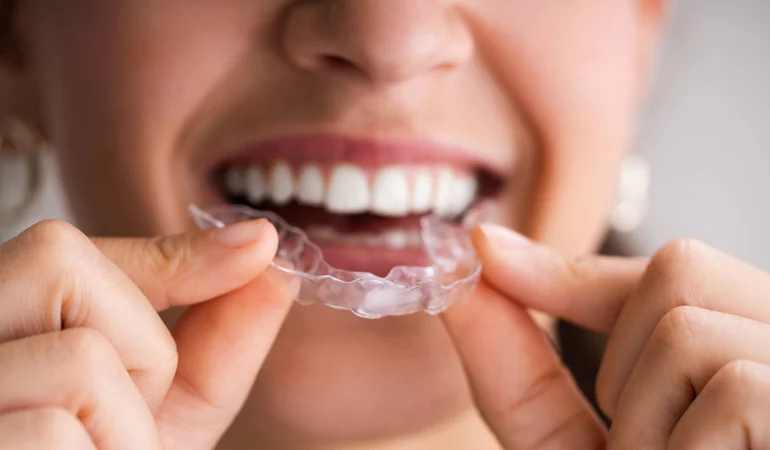
A night guard is a simple, effective appliance that protects your teeth and helps relieve pressure on your jaw joints.
At Fort York Dentist, we often recommend night guards for patients who show signs of grinding (bruxism), jaw discomfort, or excessive tooth wear.
What Are Parafunctional Habits?
Parafunctional habits are activities involving the teeth and jaw that are not part of normal functions such as chewing, speaking, or swallowing.
Common examples include:
- Teeth grinding (bruxism), especially during sleep
- Jaw clenching, often related to stress
- Nail biting
- Chewing on pens or hard objects
- Holding tension in the jaw muscles
These habits are often unconscious and can occur both during the day and at night.
Why Are These Habits Harmful?
Parafunctional forces are often stronger than normal chewing forces. Over time, they can lead to:
- Worn or flattened teeth
- Cracked or fractured enamel
- Tooth sensitivity
- Gum recession
- Jaw pain and muscle fatigue
- Headaches and neck pain
- Damage to fillings, crowns, and implants
Without protection, the damage can become significant and irreversible.
What Is a Night Guard?
A night guard is a custom-made appliance worn over your teeth while you sleep. It acts as a protective barrier between the upper and lower teeth.
Benefits include:
- Prevents tooth wear and fractures
- Distributes biting forces more evenly
- Reduces stress on the jaw joints (TMJ)
- Helps relax overactive muscles
- May reduce headaches caused by clenching
Custom night guards are designed specifically for your bite, making them more effective and comfortable than store-bought options.
What Is a Day TMJ Appliance?
Some patients also clench or strain their jaw during the day. In these cases, a daytime TMJ appliance may be recommended.
This appliance:
- Helps reduce strain on the jaw joint
- Guides the jaw into a more stable position
- Minimizes clenching during stressful situations
- Helps retrain muscle activity
It is typically thinner and more discreet, allowing normal speaking and daily activities.
What Happens If You Ignore Grinding or Clenching?
Ignoring these habits can lead to progressive damage:
Tooth Damage
- Shortened or worn teeth
- Cracks that may require root canal treatment or extraction
- Changes in appearance and bite
TMJ Problems
- Clicking or popping of the jaw
- Limited mouth opening
- Chronic jaw pain
Muscle and Head Pain
- Frequent headaches
- Facial soreness
- Neck and shoulder discomfort
Increased Treatment Costs
Untreated grinding may eventually require:
- Crowns or veneers
- Full-mouth rehabilitation
- Dental implants
A night guard is a simple preventive solution that can help avoid these complex treatments.
Are There Any Complications with Night Guards?
Night guards are very safe when properly designed and monitored. However, possible issues may include:
- Temporary discomfort when first wearing the appliance
- Increased salivation initially
- Improper fit if not custom-made
- Bite changes if used incorrectly without dental supervision
Regular follow-up visits ensure proper fit and function.
Custom vs. Store-Bought Night Guards
Over-the-counter night guards may:
- Fit poorly
- Feel bulky
- Provide limited protection
- Affect jaw positioning negatively
Custom-made night guards offer:
- Precise fit
- Greater comfort
- Better protection
- Longer durability
Frequently Asked Questions (Q&A)
Q1: How do I know if I grind my teeth at night?
Common signs include:
- Morning jaw soreness
- Headaches upon waking
- Tooth sensitivity
- Reports of grinding sounds during sleep
Q2: How long does a night guard last?
With proper care, a custom night guard can last several years. Heavy grinding may shorten its lifespan.
Q3: Can a night guard cure TMJ problems?
A night guard does not cure TMJ disorders but can significantly reduce symptoms by decreasing stress on the joint and muscles.
Q4: Do I need to wear it every night?
Yes. Consistent use provides the best protection. Skipping nights allows damage to continue.
Q5: Is a daytime appliance necessary for everyone?
No. It is recommended only for patients with significant daytime clenching or persistent TMJ symptoms.
Q6: How do I clean my night guard?
- Rinse it with lukewarm water after each use
- Gently brush it with a soft toothbrush without using toothpaste (toothpaste is abrasive and can damage the surface)
- Use mild soap or a non-abrasive cleaner if needed
- Avoid hot water, as it can distort the appliance
- Store it in a ventilated case
Q7: Can children or teenagers use night guards?
Yes, if signs of grinding are present. A dentist will determine if it is appropriate.
Final Thoughts
Parafunctional habits such as grinding and clenching can quietly damage your teeth and affect your comfort and quality of life. A custom night guard is a simple and effective way to protect your smile, reduce pain, and prevent more serious dental problems in the future.
If you experience jaw discomfort, tooth wear, or morning headaches, a consultation at Fort York Dentist can help determine whether a night guard or TMJ appliance is right for you.
Protect your teeth today to avoid complex treatments tomorrow.
Related posts

Recent Posts


Client Testimonials
The Fort York Dentist team is amazing. I’ve been a patient here for the last few years and they’ve consistently accommodated my schedule and my needs. I’ve also had a positive experience with Invisalign procedure at this clinic.

Tetyana Krysa
I’ve moved away from Toronto and I miss Dr. Hosseini! Competent, kind, reassuring and even a little bit fun! She took extra time to fully explain what she was doing to help me. A terrific dentist & good hygienists staff.
Janine Gliener
I have been coming to Fort York Dentist for several years and have had a consistently pleasant experience. The team is friendly and welcoming, and I appreciate the care they take in cleaning my teeth. Their attention to detail and gentle approach always leaves me with a reason to smile! 😀