What Happens If Crooked Teeth Are Left Untreated?
What Happens If Crooked Teeth Are Left Untreated?
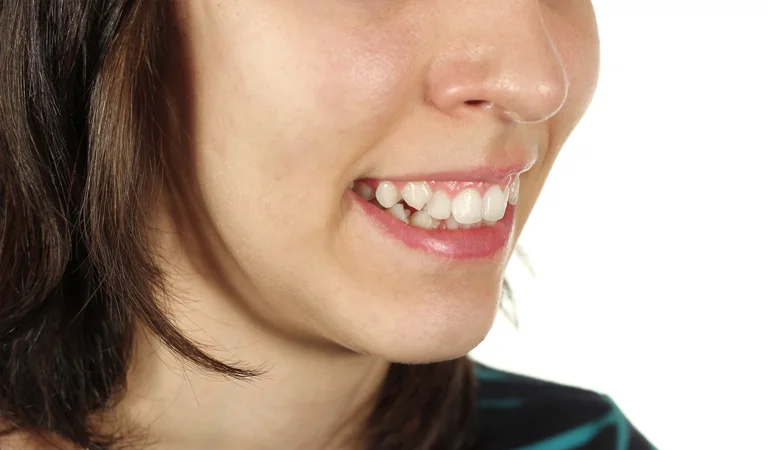
Many people think crooked teeth are only a cosmetic issue. While a straighter smile can certainly improve appearance and confidence, untreated crooked teeth can also lead to several dental and oral health problems over time. In some cases, mild crowding may not cause significant complications, but moderate or severe misalignment can affect the health of your teeth, gums, jaw joints, and even your ability to chew properly.
At Fort York Dentist, we often see patients who delayed orthodontic treatment for years because they believed crooked teeth were harmless. Unfortunately, many later develop problems that could have been prevented earlier with braces or clear aligner treatment.
In this article, we will explain what can happen if crooked teeth are left untreated, the possible long-term effects, and the treatment options available to improve both oral health and appearance.
What Are Crooked Teeth?
Crooked teeth refer to teeth that are not properly aligned. This may include:
- Crowded teeth
- Rotated teeth
- Gaps between teeth
- Teeth that overlap
- Bite problems such as overbite, underbite, or crossbite
Crooked teeth can occur because of genetics, early loss of baby teeth, thumb sucking, jaw size differences, trauma, or abnormal eruption of permanent teeth.
Some patients only have mild crowding, while others may experience severe bite and jaw alignment problems.
Difficulty Cleaning Teeth Properly
One of the biggest problems with crooked teeth is that they are harder to clean effectively.
When teeth overlap or crowd together, toothbrush bristles and floss may not reach certain areas properly. Food particles and plaque can accumulate between the teeth and along the gumline.
As a result, patients with untreated crooked teeth often have a higher risk of:
- Cavities
- Gum disease
- Bad breath
- Tartar buildup
- Tooth staining
Even patients with good brushing habits may struggle to clean crowded areas thoroughly.
Increased Risk of Gum Disease
Crooked teeth may place excessive pressure on certain parts of the gums and bone. Combined with plaque buildup, this can increase the risk of gingivitis and periodontal disease.
Signs of gum disease may include:
- Bleeding gums
- Swollen gums
- Gum recession
- Bone loss
- Loose teeth
In severe cases, untreated periodontal disease can eventually lead to tooth loss.
Straight teeth are generally easier to maintain and clean, which helps improve long-term gum health.
Tooth Wear and Damage
When teeth are not properly aligned, the biting forces are often unevenly distributed.
Some teeth may receive excessive pressure during chewing or grinding, leading to:
- Chipped teeth
- Cracked teeth
- Enamel wear
- Tooth sensitivity
- Flattened biting surfaces
Over time, abnormal bite forces can weaken the teeth and increase the need for restorations such as fillings, crowns, or root canal treatment.
Jaw Pain and TMJ Problems
Crooked teeth and bite problems may sometimes contribute to jaw discomfort and temporomandibular joint (TMJ) issues.
When the upper and lower teeth do not fit together properly, the jaw muscles may need to work harder during chewing and speaking. This may lead to:
- Jaw pain
- Clicking or popping sounds
- Headaches
- Facial muscle fatigue
- Difficulty opening or closing the mouth comfortably
Not every patient with crooked teeth develops TMJ problems, but misalignment can increase the risk in some individuals.
Difficulty Chewing and Speaking
Severely crooked teeth or bite problems can affect normal function.
Some patients may experience:
- Difficulty biting into food
- Poor chewing efficiency
- Speech difficulties
- Biting the cheeks or tongue frequently
This may affect daily comfort and overall quality of life.
Lower Self-Confidence
For many people, crooked teeth can affect self-esteem and confidence.
Patients may feel uncomfortable:
- Smiling in photos
- Speaking in public
- Socializing
- Attending interviews
- Meeting new people
Improving the appearance of the smile often has a positive emotional and psychological impact as well.
Can Crooked Teeth Get Worse Over Time?
Yes. In many cases, crooked teeth gradually worsen with age.
As people get older:
- Teeth may continue shifting
- Crowding can increase
- Bite problems may become more noticeable
- Tooth wear may worsen
This is especially common in the lower front teeth.
Early treatment is often simpler and may help prevent more complicated dental issues later.
Treatment Options for Crooked Teeth
Modern orthodontic treatment offers several options depending on the severity of the case.
Traditional Braces
Metal braces are highly effective for correcting mild to severe crowding and bite problems.
Clear Aligners
Clear aligners are removable transparent trays that gradually move teeth into better positions. They are popular among adults because they are more discreet.
Combination Treatment
Some patients may require orthodontic treatment along with other dental procedures such as extractions, gum treatment, or restorative care.
At Fort York Dentist, we evaluate each patient individually to determine the most appropriate treatment plan.
Frequently Asked Questions (FAQs)
Is orthodontic treatment only cosmetic?
No. While straighter teeth improve appearance, orthodontic treatment may also improve:
- Oral hygiene
- Bite function
- Gum health
- Tooth wear
- Jaw comfort
Can adults still straighten their teeth?
Yes. Adults of almost any age can benefit from orthodontic treatment if their teeth and gums are healthy enough.
Many adults now choose clear aligners or braces to improve their smiles and oral health.
Do crooked teeth cause cavities?
Crooked teeth themselves do not directly cause cavities, but crowded areas are harder to clean, which increases plaque buildup and cavity risk.
Can crooked teeth cause headaches?
In some cases, bite problems and jaw strain may contribute to headaches or facial muscle tension.
Is it too late to fix crooked teeth?
No. Many adults successfully straighten their teeth later in life. Treatment options depend on the condition of the teeth, gums, and jawbone.
How long does orthodontic treatment take?
Treatment time varies depending on the severity of the case. Some mild cases may take several months, while more complex cases may require two years or longer.
Are clear aligners as effective as braces?
Clear aligners can be very effective for many cases, especially mild to moderate crowding. However, severe bite problems may still require traditional braces.
What happens if I ignore severe crowding?
Ignoring severe crowding may increase the risk of:
- Cavities
- Gum disease
- Tooth wear
- Jaw discomfort
- Difficulty cleaning teeth properly
The longer the problem remains untreated, the more complicated future treatment may become.
Final Thoughts
Crooked teeth are not only an appearance issue. In many cases, untreated misalignment can affect oral health, comfort, chewing function, and confidence.
The good news is that modern dentistry offers several effective solutions for both teens and adults. Early evaluation and treatment may help prevent future complications and improve long-term dental health.
If you are concerned about crooked teeth or bite problems, the team at Fort York Dentist would be happy to evaluate your smile and discuss your treatment options.
Related posts

Recent Posts


Client Testimonials
The Fort York Dentist team is amazing. I’ve been a patient here for the last few years and they’ve consistently accommodated my schedule and my needs. I’ve also had a positive experience with Invisalign procedure at this clinic.

Tetyana Krysa
I’ve moved away from Toronto and I miss Dr. Hosseini! Competent, kind, reassuring and even a little bit fun! She took extra time to fully explain what she was doing to help me. A terrific dentist & good hygienists staff.
Janine Gliener
I have been coming to Fort York Dentist for several years and have had a consistently pleasant experience. The team is friendly and welcoming, and I appreciate the care they take in cleaning my teeth. Their attention to detail and gentle approach always leaves me with a reason to smile! 😀